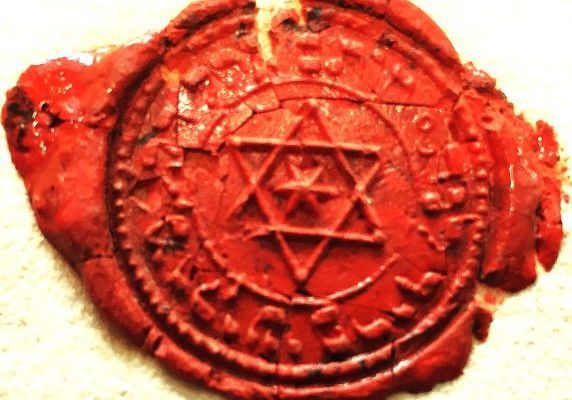
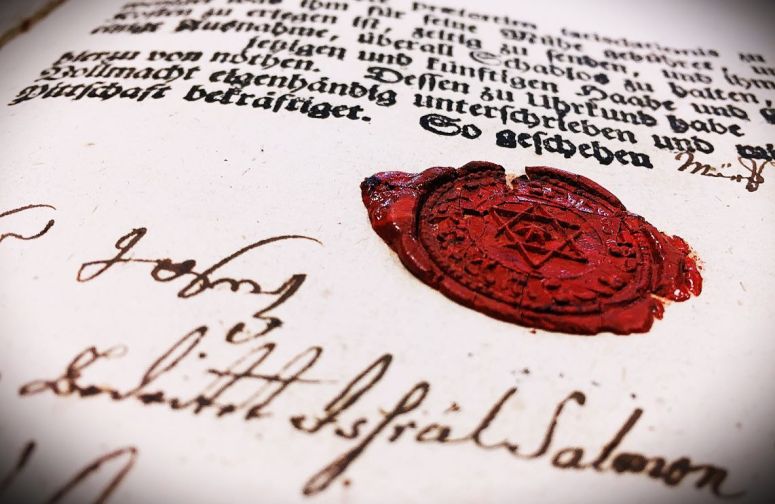
As I wrote in my earlier post, the State Archives in Bydgoszcz holds many interesting collections of documents. The War and Domain Records (Acta Kamery Wojennej i Domen) are among the most fascinating.
After the first partition of Poland, this institution covered the area of the so-called Netze District, i.e. the area located north of the Noteć (Netze) river, hence its name.
Among the records, there are a dozen or so volumes about the Jewish inhabitants of this area. There are preserved detailed lists of Jews living here. There are several types of list. It is worth spending a little time familiarizing yourself with what you can find there.
Money, money, money….
Taxes needed to fight wars
One of the first actions by the Prussian administration in the territories occupied in 1772 was to register the residents. They focused on those who are liable to taxes in any way. Apart from the list of land and its owners, they also compiled a list of Jews living there. This was one of the first lists to be made.
Jews in Netze District faced a simple reason for their hardship. In all German countries, and in Prussia either, they were subjected to various fees. These fees ranged from more to less burdensome. The restrictions concerned both the possibility of living in cities and villages, performing various professions and the right to marry. The limit for obtaining the status of the so-called Schutzjuden was having property worth 1,000 thalers. According to the General Statute for Jews from 1750, only this amount ensured security of residence.
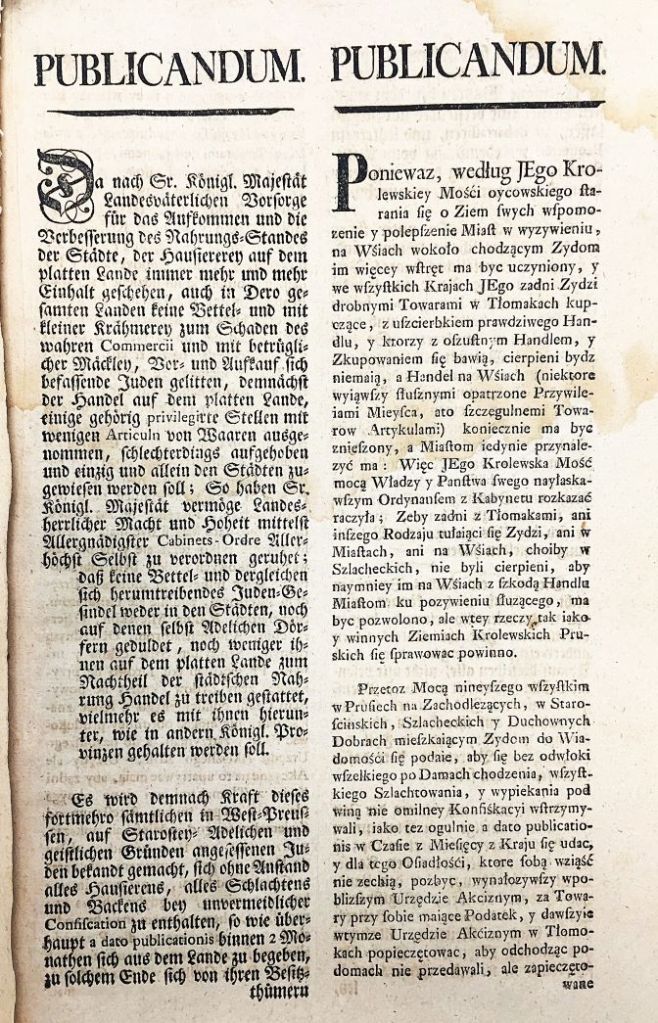

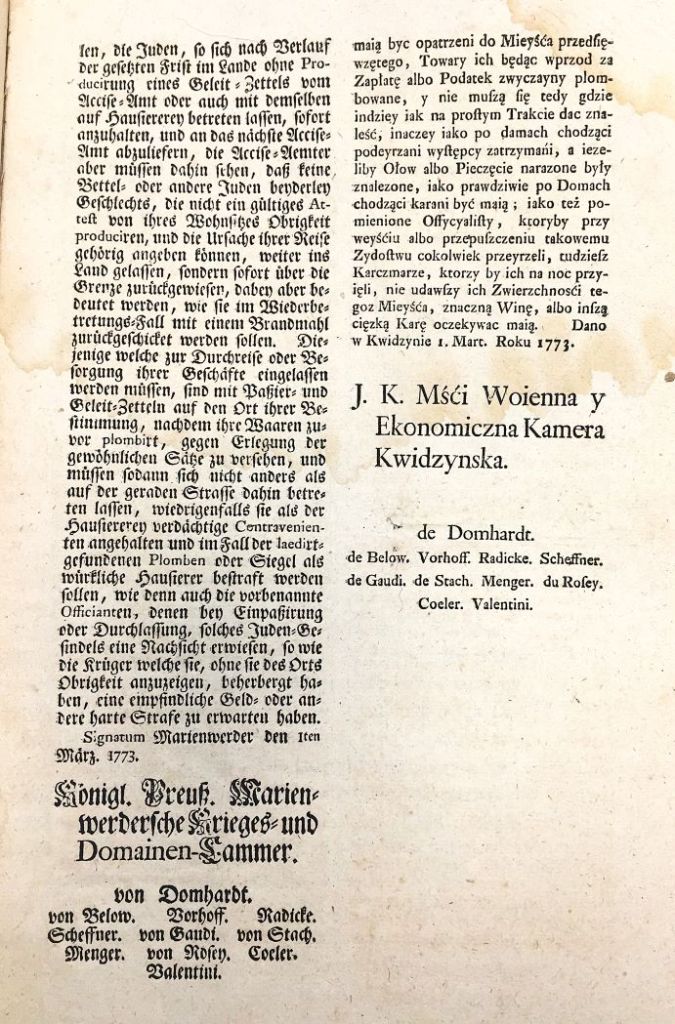
The less wealthy obtain the status of tolerated.
The poorest were to leave the country.
To check out the number of Jews in the newly created province, their census began in 1772. Officials also wanted to assess their material status. The files of the Military and Domain Chamber contain several file folders. They include legal regulations of the status of the Jewish population and lists by place of residence. They also include requests, privileges, and permits related to the possibility of settling or practicing a profession.
“The Great Counting”
Lists of Jewish families, the rich and poor
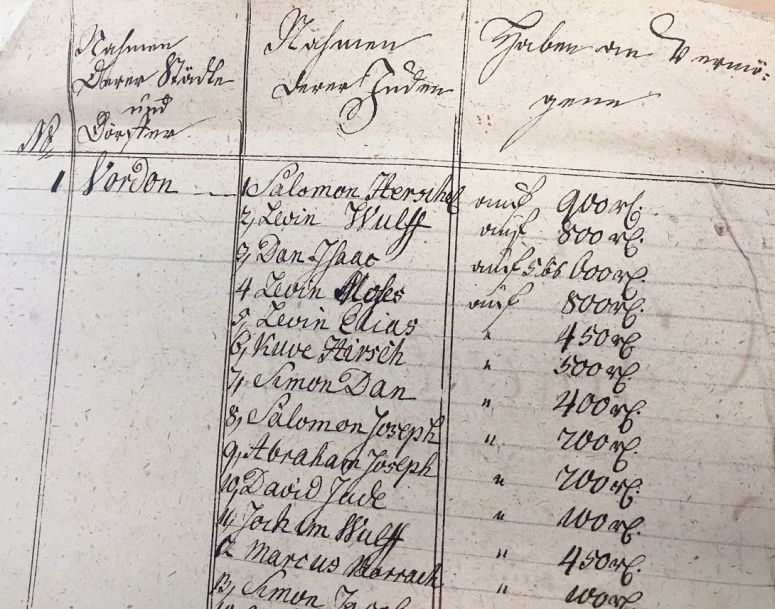
For the entire Netze District area, we find tables of towns where Jews lived. They recorded the name and surname of the head of the family. They also noted the profession from which he made a living. Additionally, they listed the number and often the names of family members. Moreover, the estimated value of the property was included. The aim was to single out those who had property worth 1,000 thalers. The rest, which concerned several thousand, had to leave their place of residence. Such a decree was issued by Frederick II.

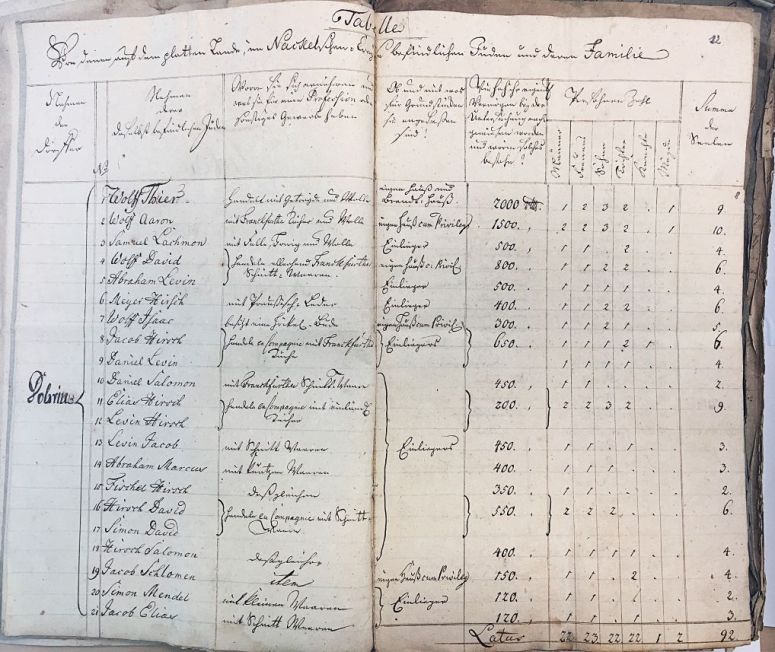
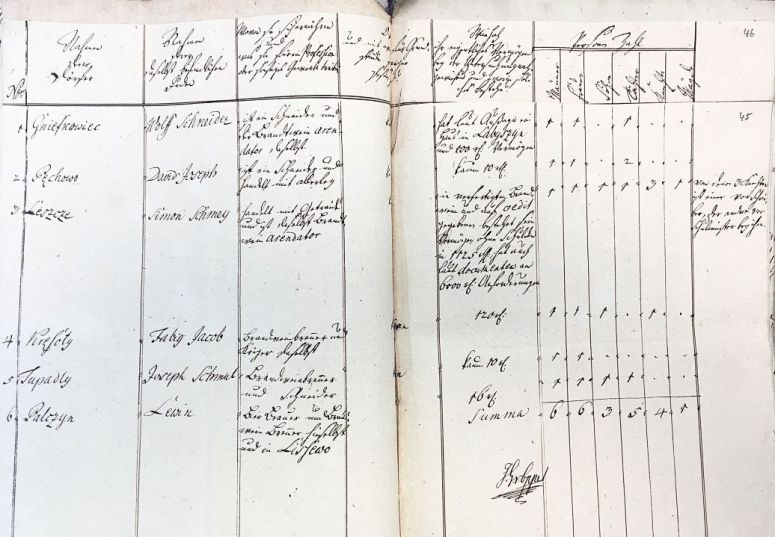
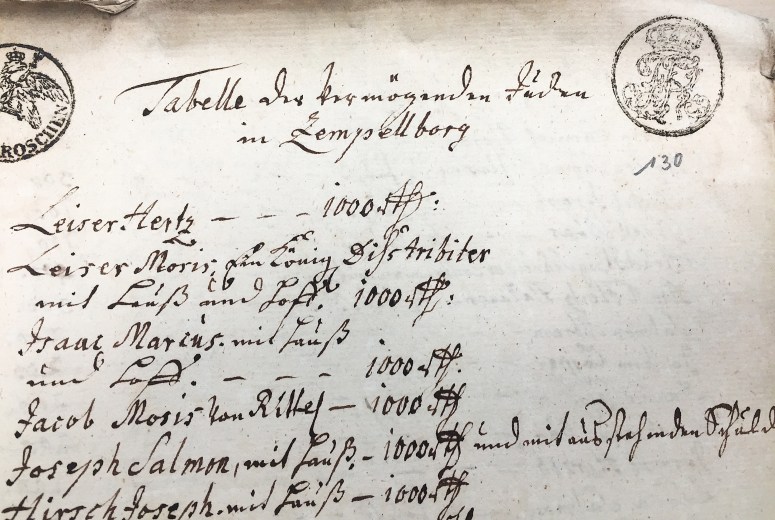
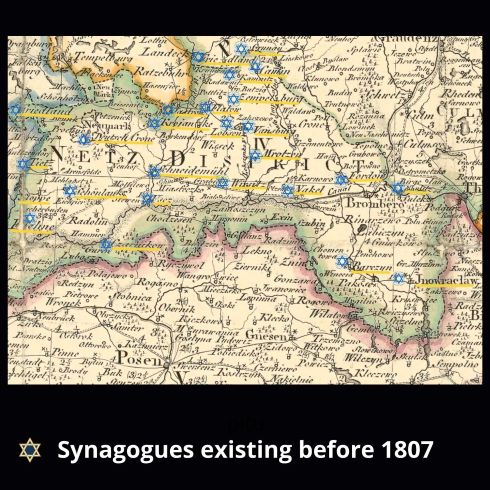
The censuses covered all Jewish communities, centered around the synagogues operating in these lands.
Frederick’s order and reality in the new district
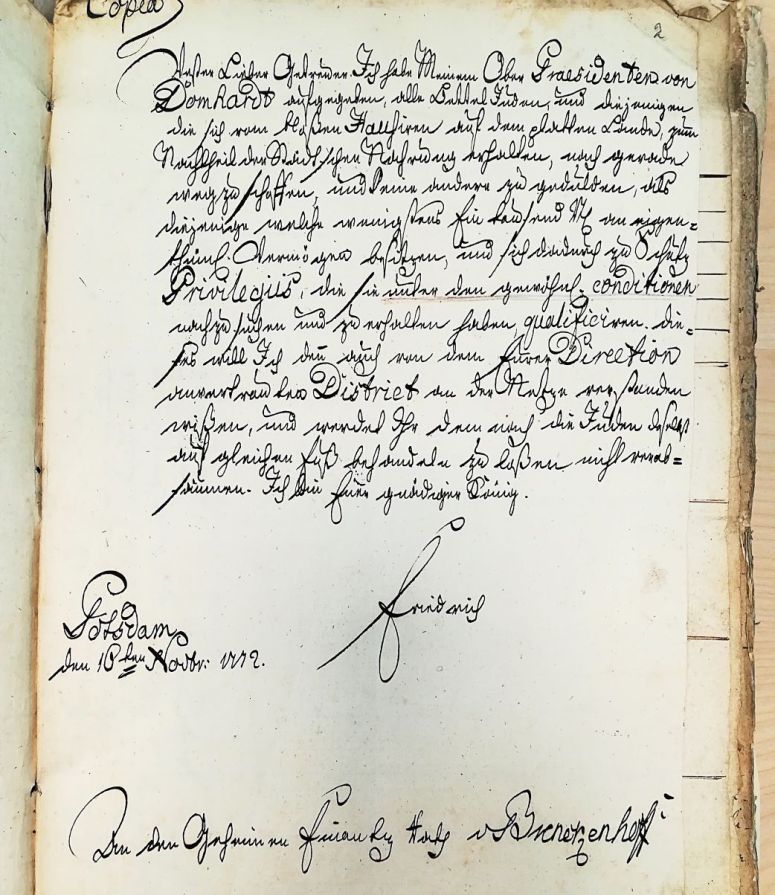
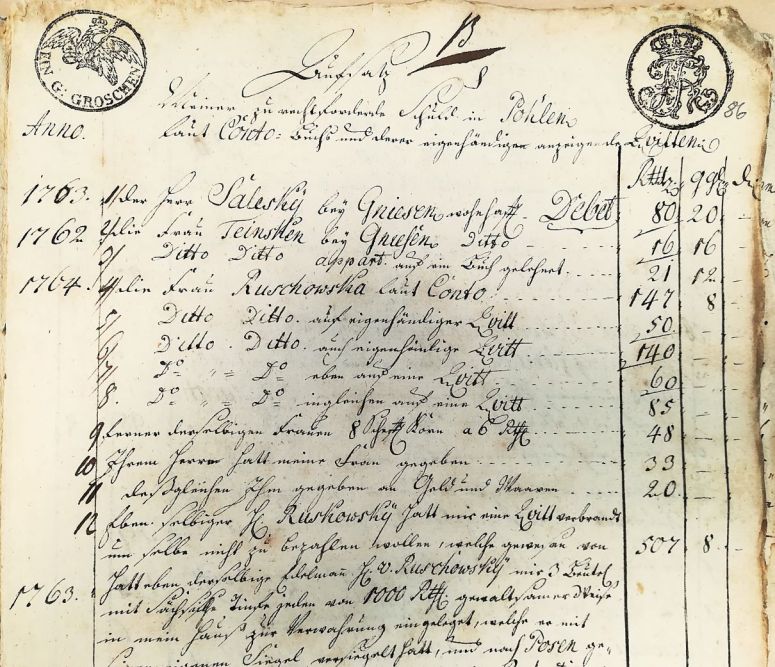
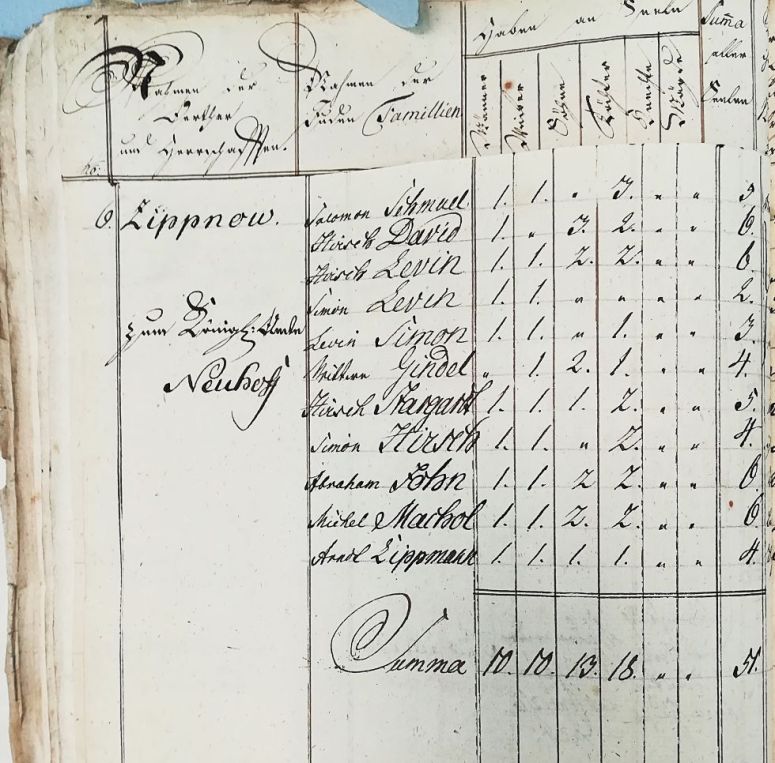
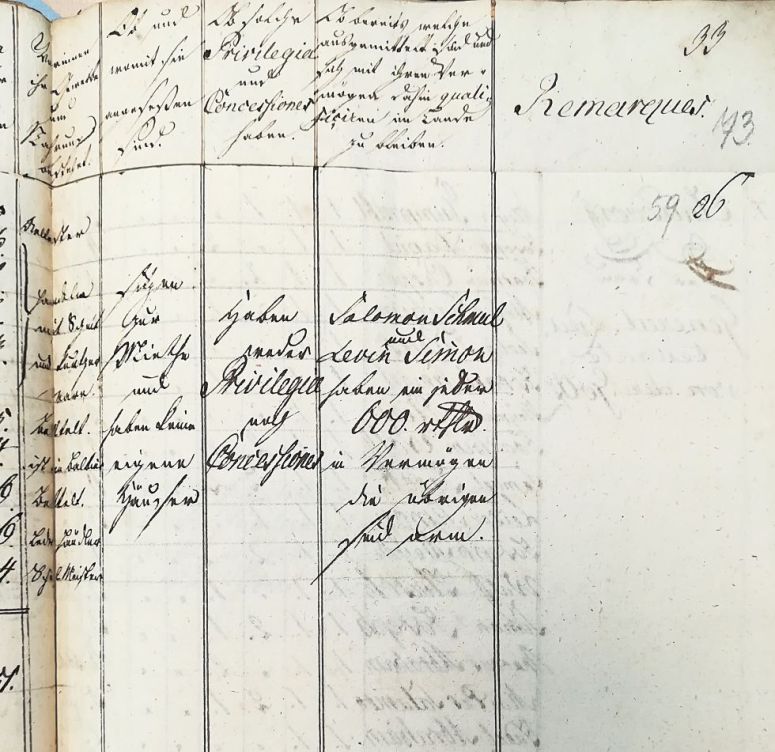
Minister Franz von Brenkenhoff tried to oppose this action. He demonstrated that the state would lose a lot. For example, the state would suffer by getting rid of many small craftsmen. Furthermore, many noblemen were in debt to Jewish communities.
Jewish communities took steps to protect most of their members. They provided guarantees, even using the property of the synagogue. They also fought to confirm the old privileges. These privileges had been granted to them during the times of the Polish kingdom.
Corrections to the census
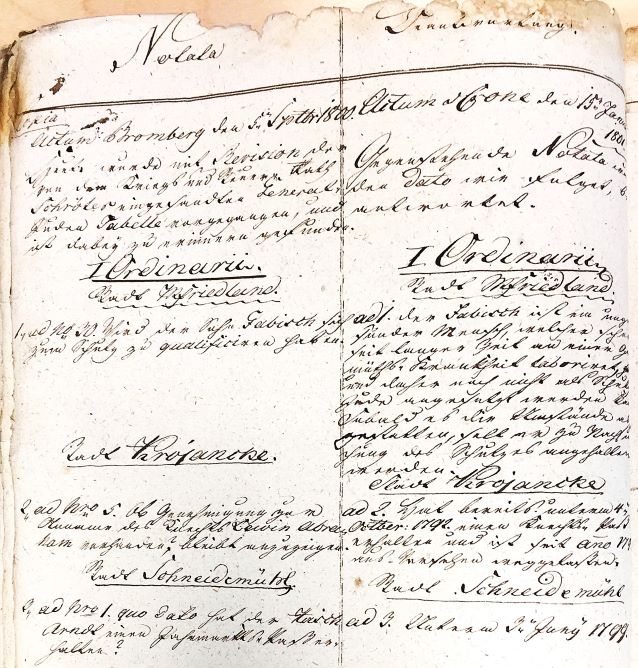
At the turn of the century, in 1799 -1800, the data from the original censuses was supplemented. Errors or inconsistencies were corrected, changes in individual families were noted. In the protocols, one can find where the fathers of the families were staying. This is especially true if they were engaged in trade.

New state, new opportunities
Increased number of places inhabited by the Jewish population
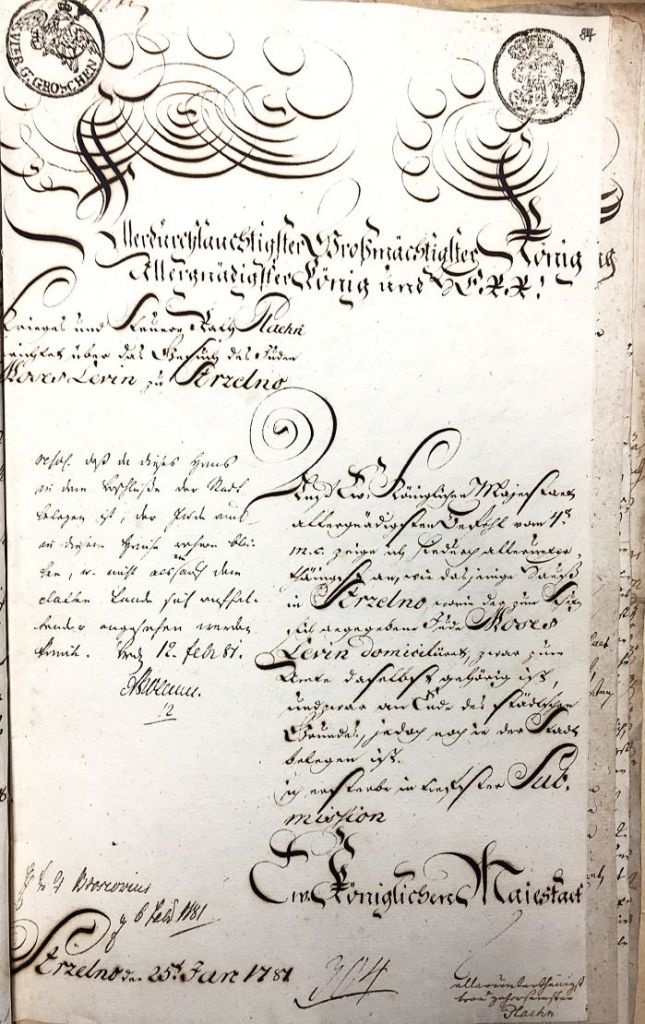
The change of statehood also brought certain benefits. The ban on settling in royal and church cities was lifted. In the 1780th, Jews began to settle in cities like Strzelno and Mogilno. These cities had earlier been inaccessible to them because they belonged to Catholic monasteries.
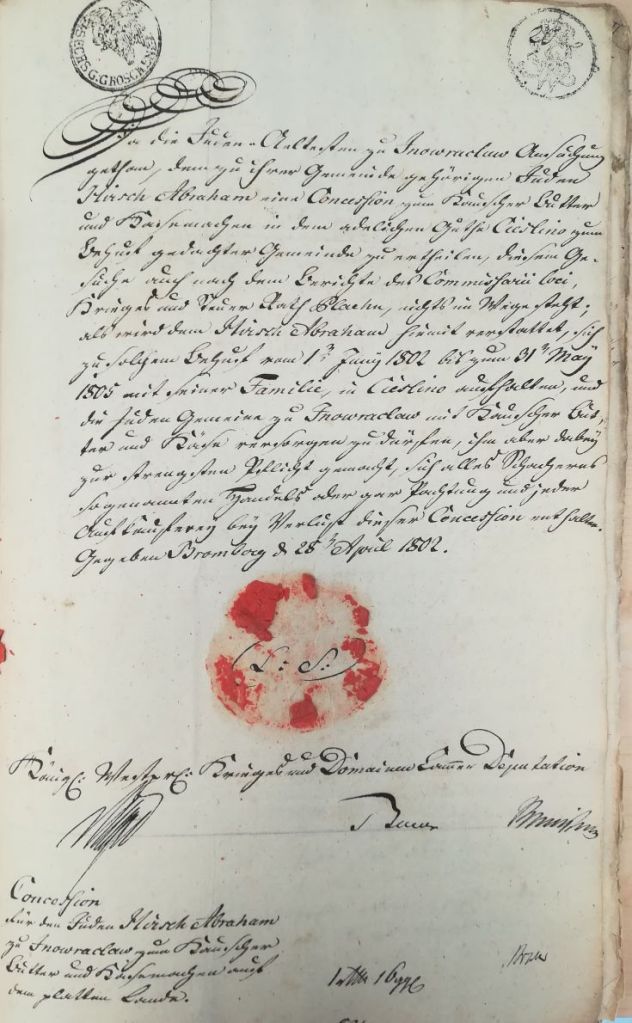
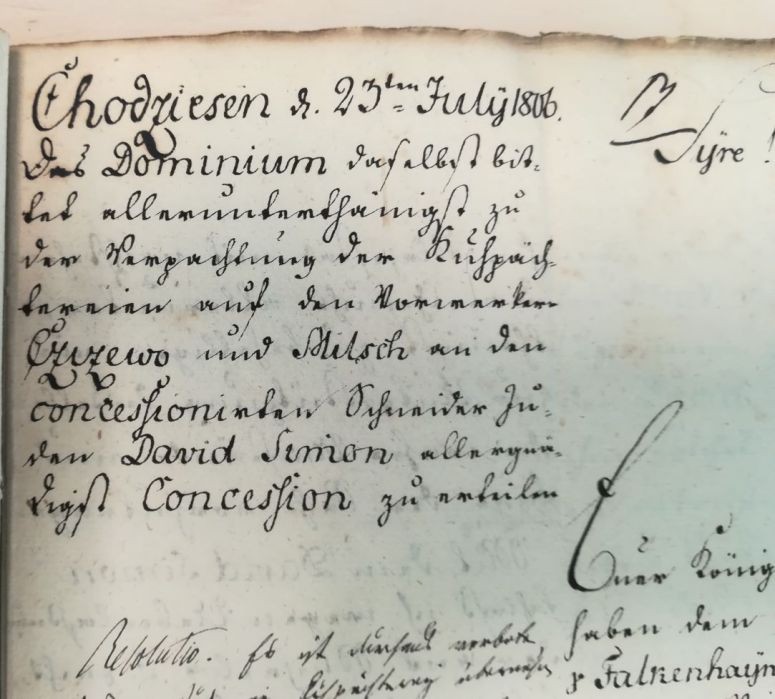
New residents had to get a residence authorization and the right to practice their profession. Such applications are also found in the presented set of records.
Conclusion
In contrast to Frederick the Great’s hardliner stance, his successors had a different approach. Frederick William II and Frederick William III were less restrictive towards the Jewish population. So from the 1780th its numbers slowly but steadily increased. During this period, Jews settled in places that had formerly been inaccessible to them. Their numbers also increased in other locations.
This was the case until 1806. At that time, most of the Netze District became part of the Duchy of Warsaw. In turn, after the Congress of Vienna in 1815, these lands were included in the Province Posen.
The records of the Military and Domain Chamber located in the State Archives in Bydgoszcz help us trace these changes. They reveal names and surnames of Jews who lived here from 1772 to 1806.
 ASK LIDIA